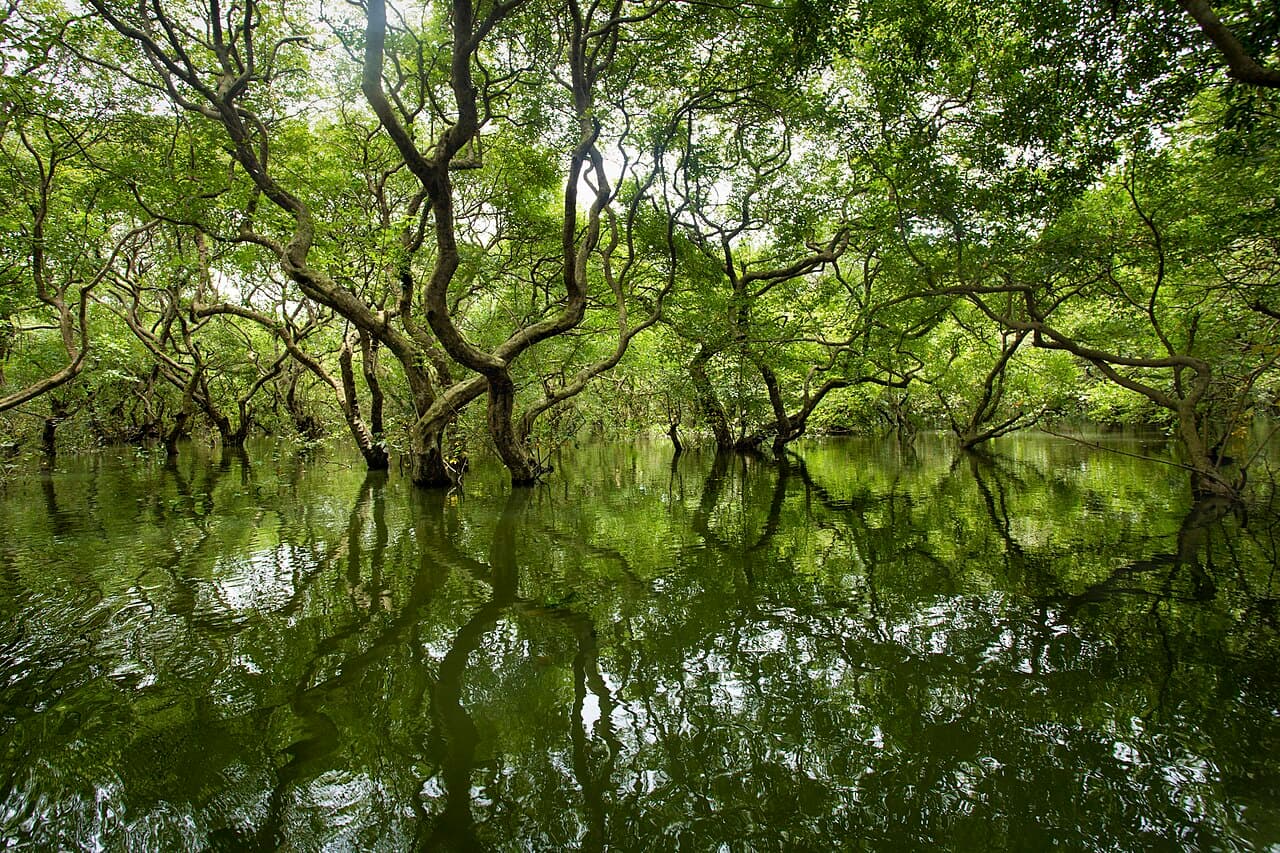
A Sundarbans trip is not a casual detour. The Bangladesh portion is a tidal mangrove landscape managed through permits, authorized vessels and defined visitor spots, while conditions can change what is sensible. UNESCO describes waterways, mudflats and islands with exceptional biodiversity, but that status does not promise an animal sighting or remove regulation. Begin with the Bangladesh Forest Department's current visitor system, test an operator's answers against it and treat low-impact behavior as part of the trip.
At a glance
Start here
- Start with the Forest Department's official ecotourism system.
- Confirm the operator, vessel, permits, route and emergency plan in writing.
- Treat wildlife sightings as uncertain and never pressure staff to pursue animals.
- Check current marine, cyclone and travel advice immediately before departure.
01
Start with the official access framework
The Bangladesh Forest Department's Sundarban ecotourism portal organizes visitor access around tour formats, approved tourist spots, operators, vessels and tickets. UNESCO also records that entry and movement are regulated and that permits are issued by the Forest Department. Those two official sources establish the planning order: identify the current authorized route first, then choose a provider able to operate inside it. A package advertised on social media should not be the source of truth about where a visitor may land or stay.
Use the portal to understand whether the proposed visit is a one-day or overnight format and which spot or route is actually being sold. Ask the provider to show how the permit and visitor ticket will be handled, whose name appears as operator and which vessel is assigned. Rules and portal workflows may change, so preserve the confirmation you receive but recheck the official system close to departure. Never interpret a previous traveler's permit as evidence that your plan is authorized.
- Identify the current Forest Department tour format before comparing packages.
- Match the operator, vessel and visitor ticket to the proposed journey.
- Treat permit conditions as controlling even if marketing copy promises more.
02
Choose a format that fits your tolerance for remoteness
The Forest Department distinguishes one-day visits from overnight experiences. That is more than a difference in length: it changes how much time a traveler spends aboard, the dependence on vessel facilities and the consequences of weather or mechanical interruption. A one-day format can be the stronger choice for someone who wants an official forest introduction without committing to remote overnight conditions. A longer format only makes sense when the provider can explain sleeping arrangements, sanitation, communications and contingency procedures clearly.
Do not choose by the longest destination list. Ask which official spots are planned, what activities involve landing, how the route changes under adverse conditions and who makes the final safety decision. These questions are editorial due diligence, not claims about a particular operator. People with mobility, dietary or medical needs should describe those needs before payment and ask what the specific vessel can actually support. If the answer depends on improvisation after departure, select a simpler authorized format.
- Prefer a shorter authorized format when vessel-based overnighting is a poor fit.
- Ask for the route, landing points and contingency authority in plain language.
- Confirm personal needs against the assigned vessel, not a generic brochure.
03
Question the operator before paying
A responsible operator should be able to connect its offer to the Forest Department system. Ask for the legal operator identity, assigned vessel details, permit process, boarding point, named contact and written cancellation or rerouting terms. Then ask who carries first-aid supplies, how an emergency is communicated and what happens if the Forest Department or weather authority limits movement. The official portal's operator and vessel structure gives travelers a concrete framework for checking these answers.
Avoid claims built around guaranteed tigers, close wildlife approaches or secret landing places. UNESCO's description supports the ecosystem's importance and range of species, not a promise that a short visitor trip will see a particular animal. An operator who treats rules as an obstacle is signaling the wrong priorities. Keep copies of the confirmed service and emergency contacts, but regard current directions from forest staff, the vessel master and public authorities as more important than the original schedule.
- Request written operator, vessel, permit and rerouting information.
- Reject guaranteed-wildlife language and unauthorized-access hints.
- Establish who decides when conditions require a changed route.
04
Make the Forest Department rules your baseline
The official one-day ticket guidance tells visitors not to litter, to follow forest staff, not to walk alone or leave the group, and not to swim or enter the water. It also states that overnight stays need prior approval. These are operational rules, not optional sustainability slogans. Keep waste aboard until it can be disposed of properly, stay within designated areas and let authorized staff control when and where the group lands.
Noise and pressure for closer sightings can also distort a wildlife visit. Even where a rule page does not specify every behavior, a defensible editorial standard is to keep voices low, avoid feeding or baiting animals, never ask a boat to chase wildlife and leave plants, mudflats and structures untouched. Ask before using bright lights or sound equipment. The objective is to experience a regulated mangrove environment without turning the group's desire for content into a disturbance.
- Remain with the authorized group and obey forest staff.
- Do not swim, enter the water or seek unapproved overnight access.
- Carry waste out and decline any plan that relies on disturbing wildlife.
05
Build a weather gate into the decision
The Bangladesh Meteorological Department publishes forecasts, marine warnings, sea bulletins and cyclone information. UNESCO identifies cyclones and tidal effects among the property's natural threats. That combination means weather checking is part of access planning, not merely a comfort check. Review the relevant BMD bulletin before travel and again before boarding, and ask the operator which official warning would cause postponement or a shortened route.
A clear-weather icon in a general phone app is not a substitute for a marine or cyclone bulletin. If the vessel master, Forest Department or weather authority changes the plan, accept the change. Build refundable or flexible connections around the trip and avoid a same-day onward commitment that assumes an exact return. The advice here does not define a universally safe threshold; current authorities and the responsible operator must apply conditions to the specific vessel and route.
- Read the relevant BMD marine and cyclone information, not only a city forecast.
- Ask in advance how official warnings affect cancellation and rerouting.
- Keep onward plans flexible enough to absorb a responsible weather decision.
06
Make a final go or no-go check
Foreign-government travel advice is only one input, but it can materially change the decision. Australia's Smartraveller advice, current on 14 September 2026, reports an increased kidnapping threat in the Sundarbans Forest region and the Chittagong Tracts. That warning is written for Australian travellers; other nationalities should read their own government's current advice and confirm how it affects insurance and consular support. A Forest Department permit establishes lawful access, not that a traveller's government considers the trip appropriate.
Before boarding, verify the permit, vessel, BMD information and return plan, then repeat the advisory check. If official advice, weather or vessel condition creates doubt, postpone. Current security, safety and conservation decisions override an advertised route.
- Use your own government's current advice for insurance and nationality-specific decisions.
- Reconfirm every operational element rather than relying on the original booking.
- Postpone when authorization, weather or vessel readiness is not clear.
Useful answers
Reader questions
Do I need a permit for the Sundarbans?
Yes, access is regulated. UNESCO records that the Bangladesh Forest Department issues permits, and the department's own ecotourism portal organizes tickets, spots, operators and vessels. The exact workflow can change, so use the official portal and require your operator to explain how your current authorization is obtained and documented.
Sources: UNESCO World Heritage Centre; Bangladesh Forest Department; Bangladesh Forest DepartmentIs a one-day trip automatically better than an overnight trip?
No. The Forest Department provides different formats, and the better choice depends on current authorized routes, vessel facilities and your tolerance for remote travel. A one-day visit reduces the commitment; an overnight trip may offer more time in the landscape. Compare the assigned vessel, permit, sanitation, communication and contingency plan rather than choosing by duration alone.
Sources: Bangladesh Forest Department; Bangladesh Forest DepartmentWill I see a Bengal tiger?
No responsible source can guarantee that. UNESCO documents the ecological importance and species of the Sundarbans, but a regulated visitor route offers only the possibility of observations. Reject packages promising a sighting or proposing to chase wildlife. A worthwhile trip can focus on mangrove structure, tidal processes, birds and signs interpreted carefully by qualified staff.
Sources: UNESCO World Heritage Centre; Bangladesh Forest DepartmentWhich weather information should I check?
Use the Bangladesh Meteorological Department's current forecast and the relevant marine, sea or cyclone bulletin, then ask how the operator applies it to the specific route and vessel. Check again before boarding. General weather apps do not replace official marine warnings, and no article can set a permanent safe threshold for a dynamic tidal journey.
Sources: Bangladesh Meteorological Department; Bangladesh Meteorological Department; UNESCO World Heritage CentreDoes a permit settle the current security decision?
No. A permit addresses access. Australian advice reports increased kidnapping threat in the Sundarbans and Chittagong Tracts. Consult your government and insurer.
Sources: Australian Department of Foreign Affairs and Trade; Bangladesh Forest Department; UK Foreign, Commonwealth & Development OfficeRead the evidence
Sources and further reading
These sources support the relevant sections above. Plans and comparisons are editorial suggestions. Check operators for current arrangements.
- The Sundarbans ↗UNESCO World Heritage Centre · Accessed 14 September 2026
Official World Heritage description of the tidal mangrove ecosystem, biodiversity, regulated entry and movement, Forest Department permits and natural threats.
- Home • Eco-Tourism Sundarban ↗Bangladesh Forest Department · Accessed 14 September 2026
Current official visitor system for tour formats, tourist spots, operators, vessels and tickets.
- One-Day Tour Ticket ↗Bangladesh Forest Department · Accessed 14 September 2026
Official one-day ticket flow and visitor rules on litter, group movement, staff instructions, swimming, water entry and overnight approval.
- Bangladesh Meteorological Department (BMD) ↗Bangladesh Meteorological Department · Accessed 14 September 2026
Official gateway to forecasts, sea bulletins, cyclone information and other live weather products.
- Marine Warning ↗Bangladesh Meteorological Department · Accessed 14 September 2026
Official location for current marine warnings used as a pre-departure decision source.
- Bangladesh travel advice ↗UK Foreign, Commonwealth & Development Office · Accessed 14 September 2026
Current foreign-government advice on political disruption, severe weather and travel conditions; used with an explicit nationality-specific caveat.
- Bangladesh Travel Advice and Safety ↗Australian Department of Foreign Affairs and Trade · Accessed 14 September 2026
Current Australian advice reporting an increased kidnapping threat in the Sundarbans Forest region and Chittagong Tracts; presented as nationality-specific advice.